

The Hypersensitivity Test Interval Chicken Street Game introduces a novel approach to understanding food allergies through engaging simulation. Participants engage in strategic gameplay that mirrors real-world allergy testing, highlighting essential management techniques. This method not only enhances awareness of allergy triggers but also promotes informed decision-making among patients. As the game progresses, the complexities of allergy management become clearer, prompting interest about its implications in the wider healthcare environment. What insights might this innovative tool reveal? Chicken Road
Understanding Food Allergies and Their Effect
Although food allergies can affect individuals of all ages, their effect can be particularly serious in children, leading to a range of bodily and psychological symptoms. From an immunological perspective, food allergies arise when the immune system mistakenly identifies certain food proteins as threats. This triggers an allergic reaction, which may manifest as hives, gastrointestinal distress, or anaphylaxis. In addition to the immediate physical responses, children may experience anxiety, loneliness, and diminished quality of life. Their dietary restrictions often complicate social interactions and can contribute to feelings of insufficiency. Continuous monitoring and management through education and avoidance strategies are crucial. Understanding the nuances of dietary hypersensitivities is fundamental not only for affected individuals but also for guardians and healthcare professionals to reduce risks efficiently.
Overview of the Allergy Test Period Poultry Street Game
The Allergy Test Interval Chicken Road Game introduces participants to essential game mechanics that mirror real-world allergy testing procedures. It emphasizes the health benefits of comprehending food allergies while offering a clear overview of the testing protocols involved. This engaging approach not only engages participants but also educates them about the importance of routine allergy assessments.
Game Mechanics Explained
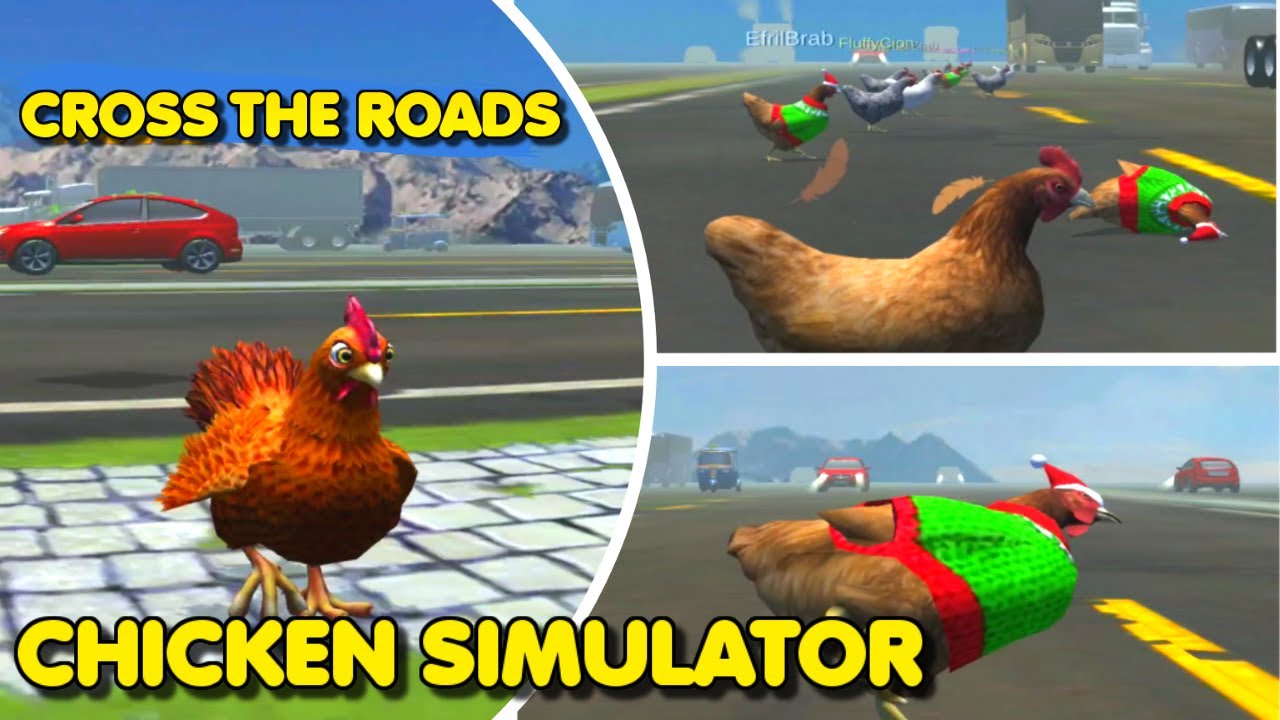
In the Sensitivity Test Interval Chicken Road Game, participants maneuver a intricate terrain filled with various obstacles and challenges that mimic the intricacies of allergy testing and management. The game employs a point system rewarding players for effectively navigating through allergy triggers, finishing tasks, and accurately responding to quiz-style questions about allergy knowledge. Each level introduces new elements, such as food items and environmental factors, forcing players to adapt their strategies. Players face time constraints, heightening psychological stress mimicking real-life allergy scenarios. Power-ups, such as “EpiPen Boosts,” provide temporary invulnerability against allergens, while penalties increase for mistakes. Mastery involves grasping both the mechanics and the fundamental educational themes, ultimately refining players’ skills in allergy management and awareness.
Health Benefits Discussed
Successful navigation through the challenges of the Allergy Test Interval Chicken Road Game not only increases players’ gaming experience but also provides significant health benefits. Interacting with this game enhances cognitive function, as players must strategize and make decisions under pressure. Enhanced problem-solving skills emerge from regularly adjusting to varying game scenarios, which converts to better real-life decision-making.
Moreover, the active participation enhances mental well-being, reducing stress and anxiety through entertainment and focus. This engaging experience motivates players to cultivate an awareness of allergies, fostering a more educated perspective on health. Ultimately, the combination of cognitive engagement and emotional uplift from the game contributes to a comprehensive approach to health, showing the interconnected relationship between gaming and wellness.
Testing Procedure Overview
To effectively steer through the Allergy Test Interval Chicken Road Game, players must comprehend the testing procedures that structure their gaming experience. Familiarity with these steps enhances strategic decision-making and performance.
- Initial Assessment
- Controlled Exposure
- Feedback Mechanism
How the Procedure Works
While individuals may experience varying effects, the allergy testing process generally follows a systematic method. Initially, healthcare providers examine the patient’s history and indications to determine possible allergens. Following this, testing techniques like skin tests or serological tests are used to determine sensitivities. For skin prick tests, medical professionals apply weakened allergens on the skin and observe for responses, usually within 15-20 minutes. Blood tests evaluate IgE antibody levels, revealing sensitization to certain allergens. Outcomes are typically interpreted during a later consultation, where medical professionals review results and recommend management strategies. Significantly, safeguards are implemented throughout the procedure to reduce risks and secure patient safety, preserving a regulated environment suitable for testing.
Benefits of the Interactive Approach to Allergy Testing
The interactive approach to allergy testing provides an captivating learning experience that grabs participants’ interest. By incorporating engaging elements, it reduces test anxiety and creates a more comfortable environment. Moreover, this approach encourages interactive skill development, improving participants’ comprehension of allergy management.
Engaging Learning Experience
How can a gaming approach transform the experience of allergy testing? By utilizing game-based elements, this method transforms the testing procedure into an fascinating learning experience. Patients actively participate, improving their comprehension and reducing the stigma related to allergy tests.
- Interactive Learning
- Motivation and Engagement
This novel approach not only assists skill development but also cultivates a positive setting, facilitating informed choices regarding allergy handling. In the end, it places allergy evaluation as a valuable educational experience rather than an daunting challenge.
Reduces Test Anxiety
By including gaming components into the allergy assessment procedure, individuals experience a notable decrease in test anxiety. Standard allergy assessments often evoke worry and apprehension, but the gaming approach changes this perception. The engaging environment shifts test subjects from their apprehensions, redirecting the concentration to the game itself rather than the test’s potential discomfort. This planned redirection fosters a more relaxed state, enabling individuals to involve themselves with the test without the debilitating effects of tension. Furthermore, the competitive aspect of game-like activities often fosters a sense of achievement, further lowering stress levels. In the end, this innovative methodology encourages a positive outlook that can improve overall patient results during allergy testing, resulting in a more smooth and less frightening process.
Interactive Skill Development
While individuals participate in the gamified allergy evaluation, they simultaneously develop important abilities that boost their overall understanding of allergic reactions and their control. This participatory method nurtures an improved learning atmosphere that facilitates individuals. It fosters active participation, leading to better recall of important information.
- Critical Thinking
Patient Experiences and Perspectives
Many patients share a intricate range of emotions and experiences when handling allergy test intervals. They often mention anxiety regarding their symptoms and uncertainty about the efficacy of their current treatment plans. Many describe frequent consultations, where clear communication from healthcare providers notably impacts their comfort levels and compliance. The timing of tests can also induce stress; some feel obliged to adhere to strict schedules, while others favor flexibility that suits their fluctuating reactions. Patients frequently stress the importance of receiving prompt results to guide their management strategies. Additionally, a lack of understanding about the testing process can cause frustration, emphasizing the need for educational resources. Overall, patient perspectives underline the vital role of personalized care in allergy management.
Future Implications for Allergy Testing and Treatment
As developments in technology and research advance to grow, the future of allergy testing and treatment looks promising. Innovations aim to improve diagnostic accuracy and strengthen patient outcomes. The integration of artificial intelligence and personalized medicine is anticipated to transform allergy management, providing tailored treatment options.
- Rapid test development can aid faster diagnosis and decrease waiting times.
- Biologics and immunotherapy will advance, offering more potent solutions for chronic allergy sufferers.
- Wearable technology may permit real-time monitoring of allergy symptoms and triggers.
These developments may greatly change how healthcare providers approach allergy care, resulting in improved quality of life for patients and a more effective healthcare system overall.
Conclusion
The Allergy Test Interval Chicken Road Game embodies a significant progress in allergy education, combining interactive gameplay with vital knowledge on food allergies. By replicating real-world testing environments, it equips patients with the skills to identify triggers and handle their conditions efficiently. Participants’ feedback highlights its role in fostering informed decision-making and improving quality of life. As the realm of allergy testing evolves, innovative methods like this could redefine patient education and enhance health outcomes in the future.